


Even if you do not see any signs of a leak, but you want your roof to be tested prior to purchasing a property for instance then ADI Water Leak Detection can assist. This way we can either provide you with peace of mind that your roof is perfectly waterproof, or alternatively we can pinpoint with total accuracy exactly where you do have a leak, regardless of its size.
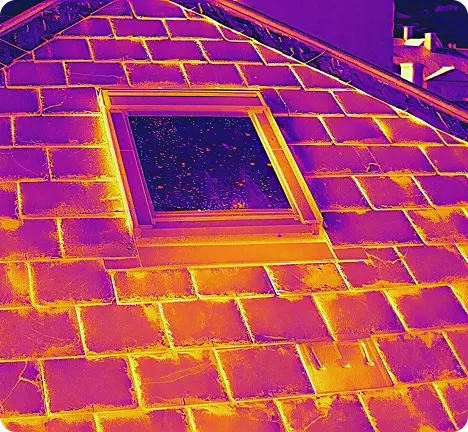
One of the many factors that sets ADI apart and indeed has ensured that we remain the industry leader in water leak detection is our investment in technology. Every year we invest thousands of pounds to ensure that our technicians have access to the latest equipment and technology, which in turn enables us to find leaks fast. Lets examine three of the most popular methods we use to detect roofing leaks.
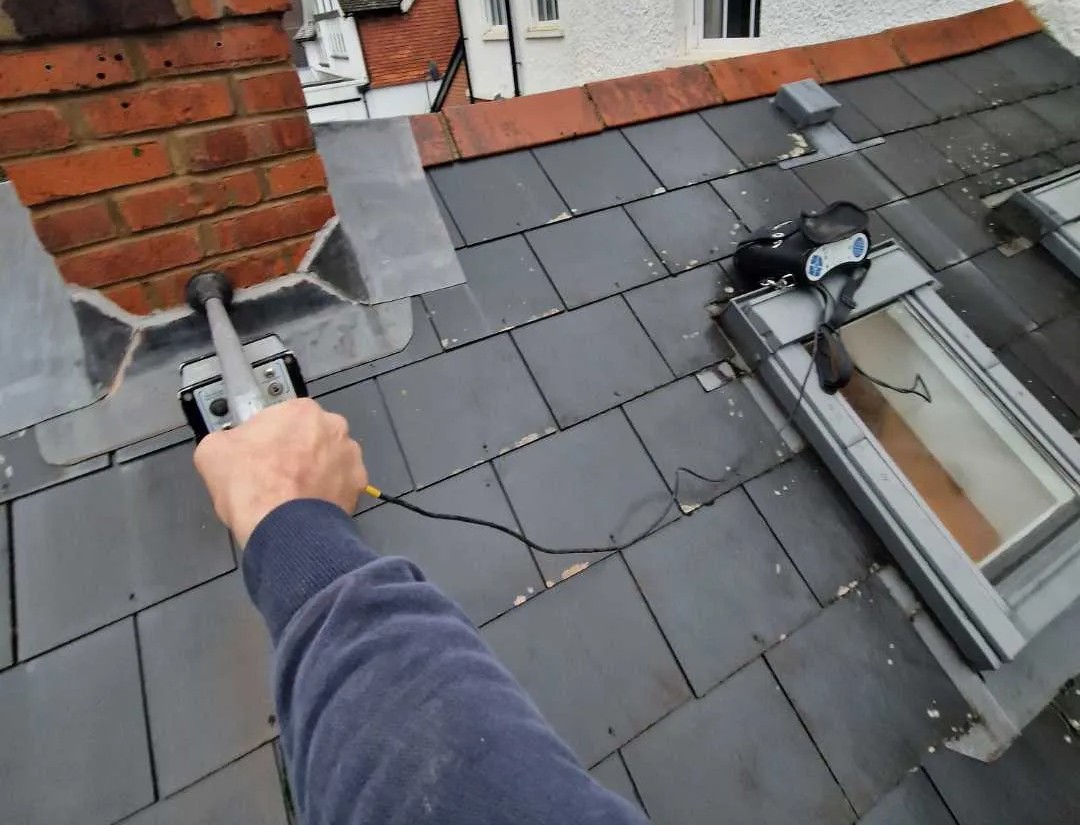
Tracer gases can be used in the roof leak detection process to confirm the suspected source of a roof leak or roof leaks. Tracer gases (Hydrogen and Nitrogen) are introduced into the roof void, they rise through any gaps that are not sealed. On the roof we use tracer gas sniffers to detected the tracer gas as it escaped from the leak location.
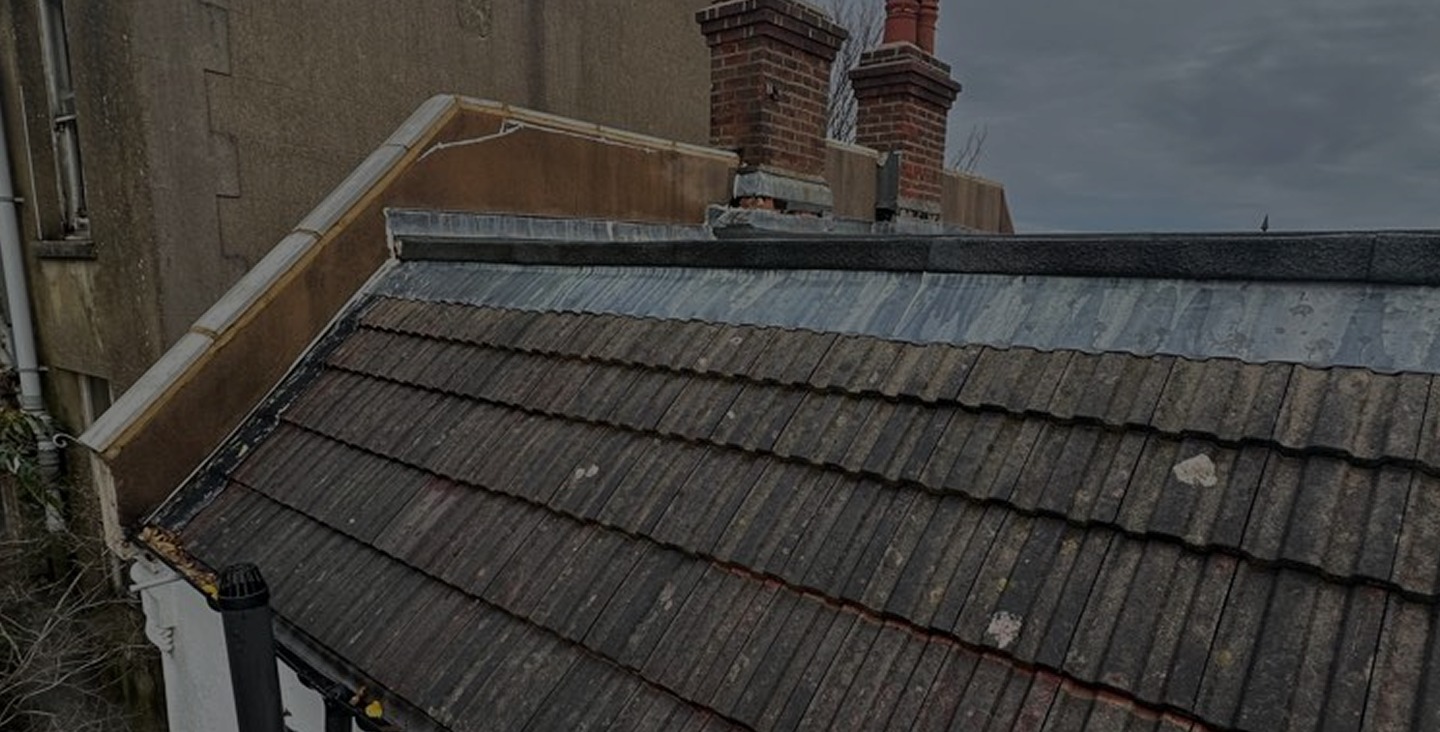
One of the biggest challenges our technicians face when searching for a roof water leak is gaining access to the roof to complete the investigation. Access can be an issue due to a variety of reasons, be that a very high commercial building, or limited space to erect ladders, scaffolding or use a cherry picker to gain access to the roof.
Drone roof leak detection is extremely cost effective in comparison to other access methods for finding a leak in a roof. Hiring scaffolding or a cherry pickers is both time consuming and expensive in comparison.
If you are concerned that you may have a leak in a roof where gaining access is problematic then call ADI Water Leak Detection today.
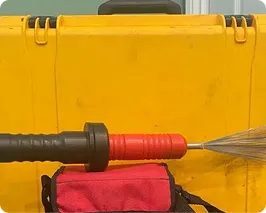
If access is not a problem, another option available to our engineers is that os Electronic Roof Leak Detectors. This specialist hi-tech equipment is able to find and detect any holes, leaks or defects in your flat roof. The process works by passing a low level electrical charge through the membrane of the roof. When the charge hits an area where there is a leak it will naturally earth out, enabling our engineers to identify the precise location of the leak, or indeed leaks.
This method of leak detection works on both horizontal surfaces and upstands, provided that the membrane dresses up the wall. This is a very important benefit because it is very common for the leaks to originate in the folded corners where the membrane goes from the flat roof up the wall.
The are a number of key advantages to this method. Once again it is a non-invasive procedure, no damage is actually caused to the membrane itself. It is pretty much universally compatible with most roof membranes. It is highly accurate with the capacity to detect even pinhole leaks, and it is also very quick and efficient.